This page contains affiliate links. If you purchase through them we may earn a small commission at no extra cost to you. Learn more
How to Claim Smart Export Guarantee (SEG) Payments

The Smart Export Guarantee (SEG) pays you for electricity your solar panels export to the grid. It's not automatic — you need to register. Many solar owners leave money on the table by not claiming or by choosing a poor SEG rate.
What Is the SEG?
The Smart Export Guarantee replaced the old Feed-in Tariff export payments in January 2020. It requires licensed electricity suppliers with 150,000+ customers to offer a tariff for exported electricity from small-scale generators (up to 5MW).
The government sets the obligation but not the rate — each supplier sets its own price. This is why rates vary enormously.
Current SEG Rates (2026)
Rates change frequently — always verify directly with each supplier before signing up. As of April 2026:
The standout is Octopus, particularly their Flux and Agile export tariffs, which pay significantly more than flat-rate alternatives.
Octopus Outgoing Agile: Variable Rates That Can Pay More
Octopus Outgoing Agile pays variable rates that track wholesale electricity prices, updated every 30 minutes. During peak demand (typically winter evenings), export rates can reach 20–35p/kWh. If you have a battery, you can store solar and export strategically during high-price windows. Always check current average rates directly with Octopus, as they fluctuate.
Eligibility Requirements
To register for SEG, you need:
1. MCS Certification
Your solar installation must be MCS-certified (Microgeneration Certification Scheme). This means it was installed by an MCS-certified installer. Your installer should have provided you with an MCS certificate showing:
- Installation date
- System capacity (kWp)
- Installer details
- MCS registration number
Without MCS certification, you cannot register for SEG. This is one reason why DIY and plug-in solar systems don't qualify.
2. Smart Meter or Export Meter
You need a meter capable of recording export:
- SMETS2 smart meter: The standard smart meter in the UK. Most installed since 2019 are SMETS2.
- SMETS1 smart meter: Older smart meters. Some record export; some don't. Check with your supplier.
- Approved half-hourly export meter: Required for some tariffs (like Octopus Agile Export).
If you don't have a smart meter, request one from your electricity supplier — it's free.
3. System Size Under 5MW
Virtually all domestic installations qualify. The limit is 5MW for SEG.
4. Not Already on Feed-in Tariff
If your system is registered for the Feed-in Tariff (FIT closed to new applicants on 1 April 2019), you can't claim both FIT export and SEG simultaneously. However, you can retain your FIT generation payment while switching your export payment to SEG — see our guide to FIT and SEG for how.
How to Register
Step 1: Gather Your Documents
- MCS certificate (from your installer)
- Meter MPAN number (on your electricity bill)
- Meter serial number
- System size (kWp)
- Installation date
- Your personal details
Step 2: Choose a Supplier
You don't have to use your electricity supplier for SEG. You can have one supplier for import and a different supplier for export. Choose whoever offers the best rate.
Step 3: Apply
Apply through your chosen SEG supplier's website:
- Octopus Energy: octopus.energy/smart-export-guarantee
- EDF: edfenergy.com/seg
- British Gas: britishgas.co.uk/smart-export-guarantee
- Other suppliers have similar pages
The application typically asks for all the details from Step 1. Processing takes 1–4 weeks.
Step 4: Confirm and Start Earning
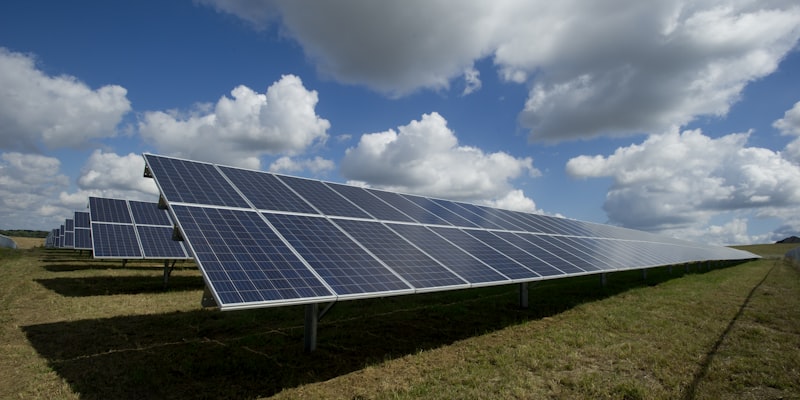
Once approved, you'll receive confirmation. Payments begin from the registration date — they're not backdated to your installation date.
Register as Soon as Possible
SEG payments are not backdated. If your system was installed in January and you register for SEG in April, you lose three months of export payments. Register immediately after installation — or ideally, have your installer help you register as part of the handover process.
Switching SEG Supplier
If you registered with a low-paying supplier and want to switch to a better rate:
- Check the new supplier's SEG terms and apply
- Once accepted, cancel with your old SEG supplier
- There's usually no notice period or exit fee for SEG agreements
- Ensure there's no gap between the old and new registrations
Switching SEG supplier doesn't affect your electricity import supplier. They're independent.
How You Get Paid
Payment methods vary by supplier:
- Octopus Energy: Monthly or quarterly credit to your electricity account (or bank payment)
- EDF: Quarterly credit
- British Gas: Quarterly credit
- Others: Typically quarterly
For Octopus Agile/Flux, export payments are calculated half-hourly and credited to your account. For flat-rate SEG, payments are based on total export over the billing period.
Common Mistakes
Not Registering at All
The most expensive mistake. If you're exporting without SEG registration, you're giving away electricity for free.
Staying on a Low-Rate SEG
Many people register with their existing supplier at a low rate and never check alternatives. SEG rates change frequently — check current supplier listings and compare before accepting any rate below the market best.
Not Having a Smart Meter
Without a smart meter that records export, some suppliers estimate your export (usually assumed at 50% of generation). With a smart meter, you get paid for actual export. Request a smart meter if you don't have one.
Assuming SEG Is Automatic
SEG is not automatic — it requires active registration. Your installer should explain this, but not all do.
Maximising Your SEG Income
- Choose the best tariff — Octopus Agile or Flux typically pay the most
- Get a smart meter — actual export readings beat estimated ones
- Time your export — with a battery, export during peak pricing windows
- Monitor your export — track how much you're exporting and at what rates
- Review annually — rates change; the best option today may not be best next year
For a typical 4kW system exporting 2,000 kWh/year (illustrative — use current rates):
The difference between the worst and best SEG rate can be £200+/year — over 25 years, that is several thousand pounds. Choosing the right SEG tariff matters. Check current rates at ofgem.gov.uk/check-if-energy-price-cap-affects-you and directly with suppliers.
A battery lets you export strategically during high-price windows for maximum SEG income. Worth considering:
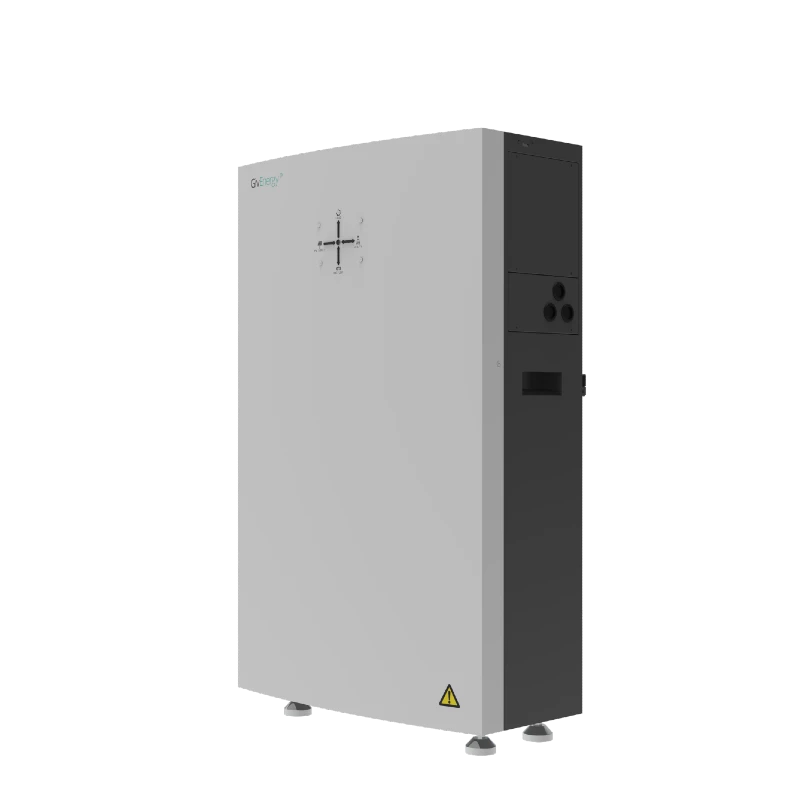
GivEnergy All-in-One 9.5kWh Battery
£5,5009.5
8.6
LFP
6000
Affiliate link — we may earn a small commission at no extra cost to you
For panels that maximise generation and therefore your export income potential:
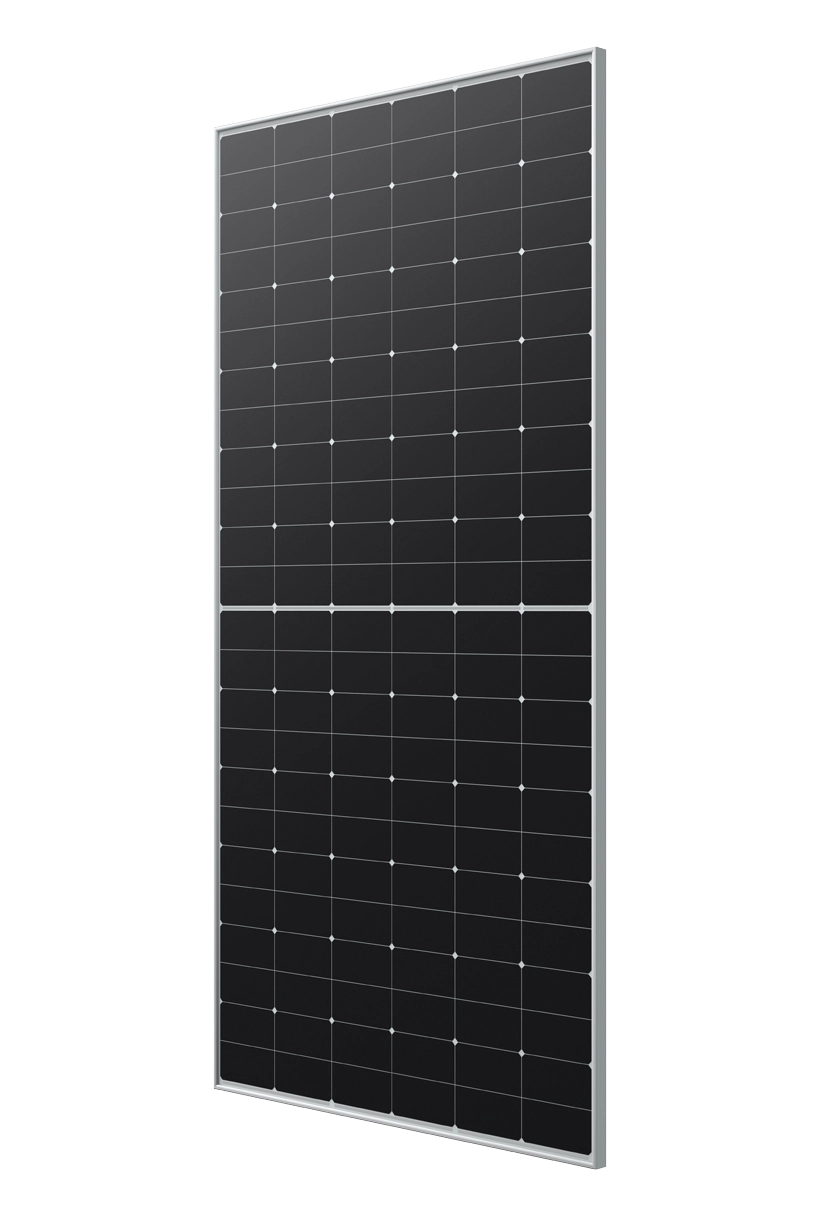
LONGi Hi-MO X6 450W
£85450
23
1722 x 1134 x 30
21.3
Affiliate link — we may earn a small commission at no extra cost to you
Share this article
Stay informed
Get free solar updates direct to your inbox
Related reading
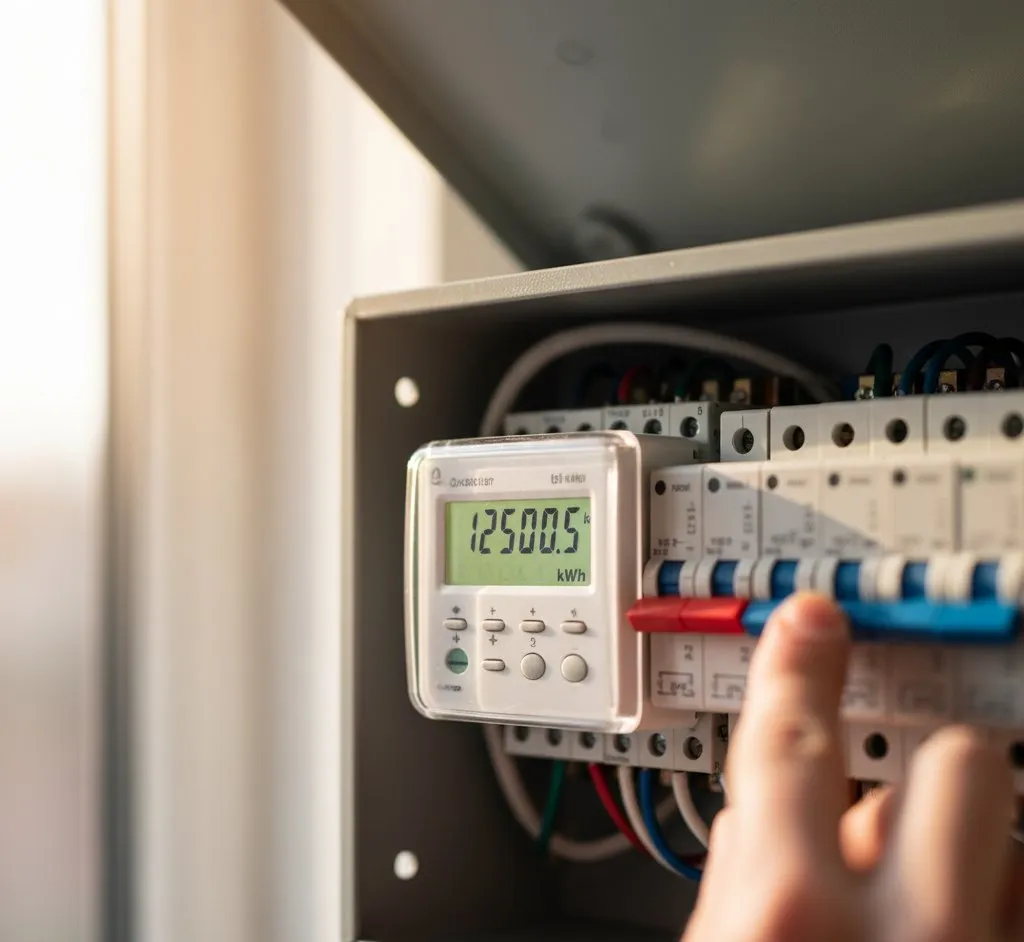
How to Read Your Solar Generation Meter
How to read your solar generation meter in the UK. Understand what the numbers mean, where to find your meter, and how to track your system's performance.
Understanding Your Electricity Bill with Solar
How to read your electricity bill with solar panels. Import, export, generation, self-consumption, and why your bill may not be as low as expected.

Switching Energy Supplier with Solar Panels
Can you switch energy supplier with solar panels? Yes — and it might save you money. Here's what to check and how your SEG payments are affected.


Switch to Octopus Energy
Get 50 credit when you switch. We get 50 too — win-win.
What does this mean for YOUR home?
Design your perfect solar setup in under 3 minutes. Free, no sign-up required.
Build Your Solar System