This page contains affiliate links. If you purchase through them we may earn a small commission at no extra cost to you. Learn more
Pigeons Under Solar Panels: Prevention and Removal
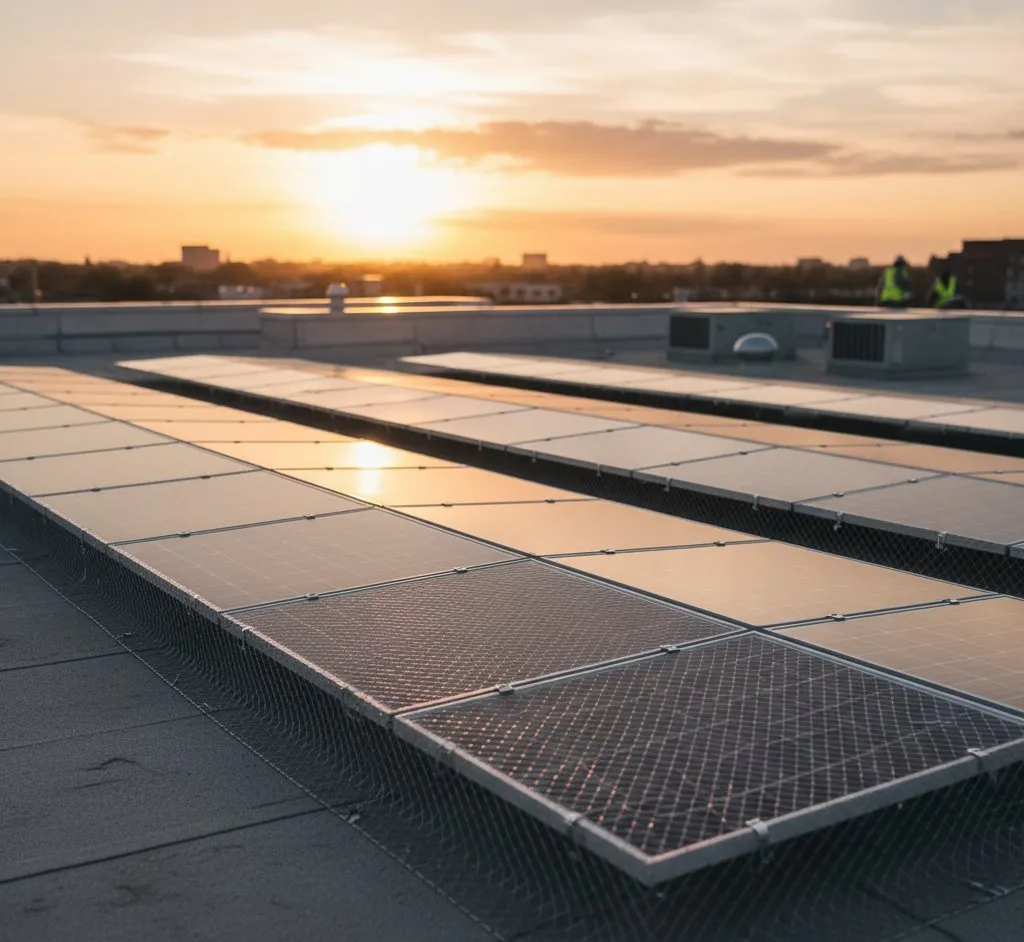
Why pigeons love solar panels
Solar panels on a pitched roof create a gap between the panel and the roof tiles — typically 10–15cm. For pigeons, this is ideal nesting territory:
- Sheltered from rain and wind
- Warm — panels absorb heat, creating a cosy microclimate underneath
- Elevated — protected from ground predators
- Stable — the gap doesn't change, providing a permanent habitat
Once pigeons discover this space, they nest, breed, and attract more pigeons. A single nesting pair can quickly become a colony. The problems escalate:
- Noise — cooing and scratching, particularly early morning
- Droppings — on the roof, gutters, walls, and garden below
- Nest material — twigs and debris can block gutters and drainage
- Panel damage — droppings are acidic and can etch panel surfaces
- Wiring damage — pigeons can peck at exposed cables
- Efficiency loss — droppings on panels reduce output by 2–5%
Prevention: bird mesh (critter guard)
The most effective solution is a mesh guard fitted around the entire perimeter of the solar array. The mesh clips to the panels and sits against the roof, blocking any gap large enough for birds to enter.
What it involves
- Galvanised steel or stainless steel mesh (sometimes plastic-coated)
- Clips that attach to the panel frame edge without drilling or modifying the panels
- Installed around all exposed edges of the panel array
- Colour-matched options available (black mesh on black-framed panels)
Cost
The cost difference between installing mesh at the same time as panels vs retrofitting is significant. Scaffolding is already up during installation, so the marginal cost of mesh is mainly materials and 30–60 minutes of labour.
Ask about bird mesh at quote stage
When getting solar quotes, ask every installer about bird mesh. Many don't include it as standard because it increases the headline price. But spending £150–£300 upfront saves the potential £500+ cost of retrofitting later — plus the hassle of dealing with an established pigeon colony.
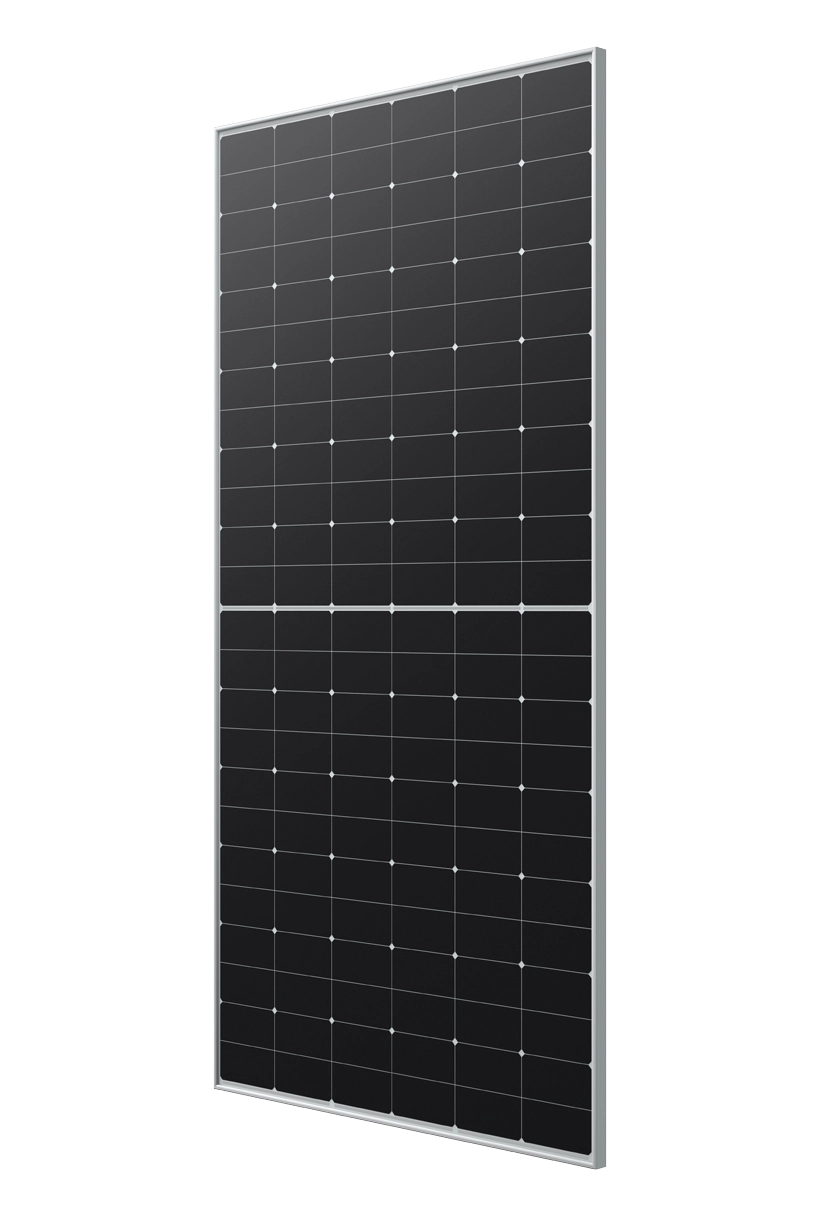
LONGi Hi-MO X6 450W
£85450
23
1722 x 1134 x 30
21.3
Affiliate link — we may earn a small commission at no extra cost to you
Removing existing pigeons
If pigeons have already moved in:
Step 1: Timing
Under the Wildlife and Countryside Act 1981, it is illegal to disturb nesting birds or destroy active nests during breeding season (typically March to August, though pigeons can breed year-round). Removal should be done between September and February if possible.
If pigeons are causing significant problems during breeding season, you may need advice from a licensed pest controller about legal options.
Step 2: Professional removal
A pest control company experienced with solar panel pigeon removal will:
- Access the roof (scaffolding, ladder, or cherry picker)
- Remove all nesting material, droppings, and debris from under the panels
- Clean and disinfect the area (pigeon droppings carry health risks)
- Install bird mesh around the panel perimeter
- Remove any birds humanely
Cost: £400–£900 depending on access difficulty and colony size.
Step 3: Cleaning panels
After bird removal, clean the panels to remove droppings and restore efficiency. A professional panel cleaning costs £50–£150 for a typical system, or you can clean from the ground using a telescopic brush with clean water (no detergents).
Pigeon droppings are a health hazard
Dried pigeon droppings can contain harmful pathogens including Psittacosis, Salmonella, and Cryptococcosis. When removing droppings or cleaning panels, wear appropriate PPE (mask, gloves) or hire professionals. Don't pressure-wash droppings — this aerosolises the pathogens. Wet the droppings first, then remove carefully.
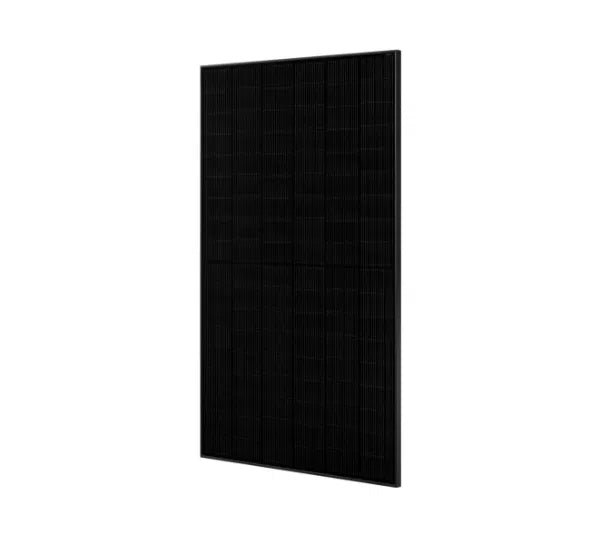
JA Solar JAM54D41 450W N-type TOPCon
£82450
22.8
1722 x 1134 x 30
21.5
Affiliate link — we may earn a small commission at no extra cost to you
Other bird deterrents
Bird spikes
Metal or plastic spikes along panel edges can deter landing and nesting. Less effective than mesh (birds can still squeeze past) but cheaper and easier to install.
Decoy predators
Fake owls and hawks on the roof. Effectiveness is temporary — pigeons quickly learn the decoy doesn't move and ignore it.
Ultrasonic deterrents
Electronic devices emitting high-frequency sounds. Evidence for effectiveness is mixed at best — worth exploring only as a supplement to mesh, not as a primary solution.
Netting
Bird netting draped over panels can work but looks unsightly and can trap birds, creating welfare issues. Mesh guards are preferred.
Coastal homes: seagulls and other large birds
If you live near the coast, seagulls — particularly herring gulls — can cause identical problems to pigeons under solar panels. The solution is the same (bird mesh around the array edges), but there are a few important differences worth knowing.
Herring gulls have stronger legal protection than pigeons. The Wildlife and Countryside Act 1981 applies equally to all wild nesting birds, but herring gulls are listed on Schedule 1 in some cases, meaning deliberate disturbance of active nests carries a heavier penalty. Never attempt removal during the breeding season (typically April to August for gulls) without specialist advice.
Heavier-gauge mesh is worth considering. A herring gull is considerably larger and stronger than a pigeon. Standard 19mm bird mesh is adequate for pigeons; for coastal properties, 25mm heavy-gauge galvanised steel mesh is a safer choice.
Seagull droppings are more corrosive than pigeon droppings. They contain higher concentrations of uric acid due to a fish-heavy diet. Panel surfaces and aluminium frames can show etching more quickly if droppings are left to dry. If gulls are using your panels as a perch (rather than nesting underneath), regular cleaning becomes more important.
Bird spikes along ridge tiles and panel frame edges can help deter gulls from landing, but mesh remains the definitive solution for preventing under-panel nesting. Expect to pay a premium for a coastal installation — scaffolding access and heavier materials add cost.
The bottom line
Bird mesh is cheap insurance. If you're installing solar panels in any UK area with pigeons (which is essentially everywhere urban and suburban), include mesh in your installation. The small upfront cost avoids a much larger, messier, and more expensive problem later.
If you already have pigeons under your panels, act sooner rather than later — colonies grow, and the longer they're established, the harder and more expensive removal becomes.
Share this article
Stay informed
Get free solar updates direct to your inbox
Related reading
Solar Panel Maintenance: What's Actually Needed?
The honest guide to solar panel maintenance in the UK — spoiler: it's less than you think. What you actually need to do, and what you can safely skip.
How Much Do Solar Panels Cost in the UK in 2026?
UK solar panel costs 2026: realistic prices by system size, what is included, and what to push back on in your quote.
Is My Roof Suitable for Solar Panels?
Find out if your roof can take solar panels — covering direction, angle, shading, structural condition, and options for tricky roofs.


Switch to Octopus Energy
Get 50 credit when you switch. We get 50 too — win-win.
What does this mean for YOUR home?
Design your perfect solar setup in under 3 minutes. Free, no sign-up required.
Build Your Solar System