This page contains affiliate links. If you purchase through them we may earn a small commission at no extra cost to you. Learn more
UK Hits 2 Million Solar Installations: March 2026 Milestone
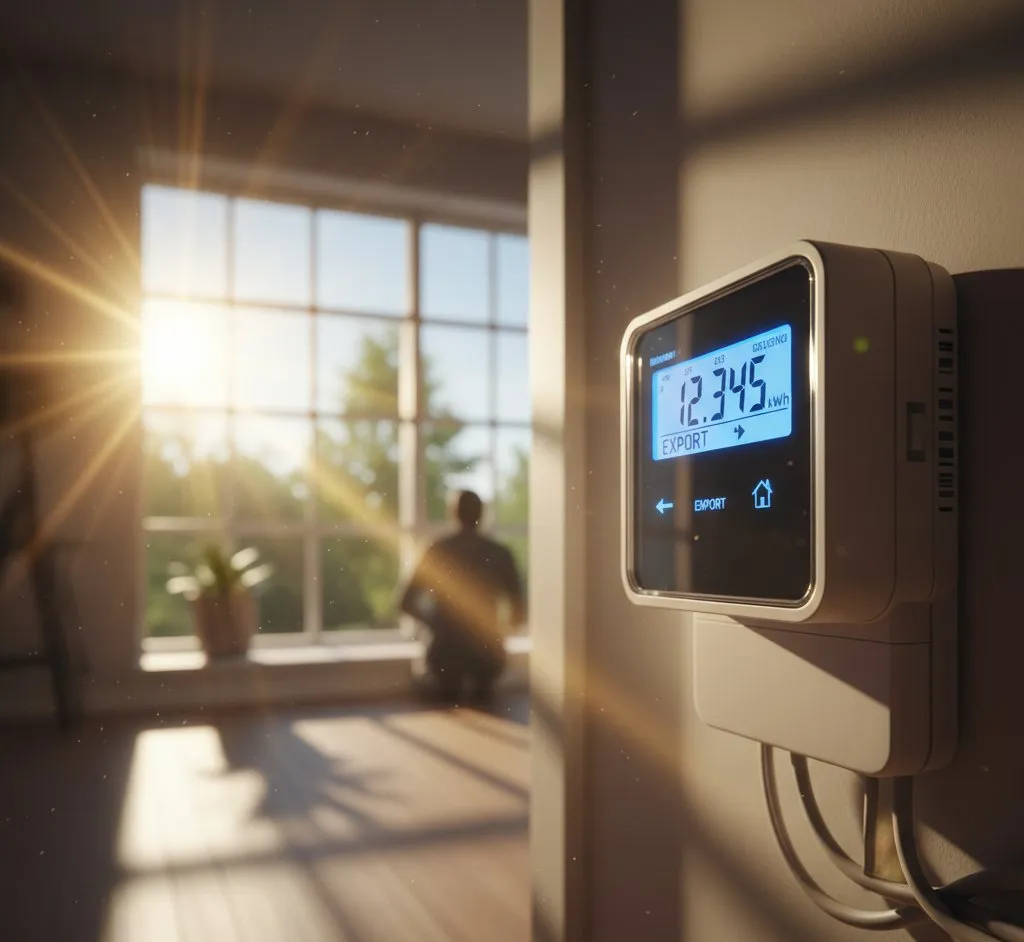
The UK passed 2 million solar installations in March 2026, according to Department for Energy Security and Net Zero (DESNZ) figures reported by Solar Power Portal on 30 April 2026. That figure covers DESNZ-tracked solar PV deployment, not just domestic rooftops, but it is still a useful marker: solar is now a mainstream part of the UK electricity system, not an early-adopter technology (DESNZ via Solar Power Portal, 30 Apr 2026).
For wider context, see the full UK solar statistics guide, which tracks installations, capacity, annual growth, costs, and export payments.
What changed in March 2026?
The previous official DESNZ monthly release, covering February 2026, recorded 1,974,371 UK solar installations and 22.0 GW of installed capacity. Crossing 2 million in March means the UK added at least 25,629 installations in the next monthly reporting step, enough to move the national total over the line (DESNZ Solar Photovoltaics Deployment, February 2026).
That is a meaningful pace. A few years ago, the UK solar market often moved by only a few thousand installations per month. By early 2026, monthly additions in the tens of thousands had become normal. The March milestone is less about one exceptional month and more about a market that has been running at a higher level since the energy-price shock of 2022 and 2023.
What pushed solar past the 2 million mark?
There is not one single cause. Several pressures are working at the same time.
First, electricity is still expensive by pre-crisis standards. The Q2 2026 Ofgem price cap set the typical Direct Debit electricity unit rate at 24.67p/kWh from 1 April to 30 June 2026, down from Q1 but still high enough to keep self-generated electricity valuable. Every unit you use from your panels is a unit you do not buy from the grid.
Second, solar system costs have fallen sharply over the long term. A typical domestic system is no longer the £15,000 to £20,000 purchase that some households remember from the early Feed-in Tariff years. Current installed costs vary by roof, region, system size, and battery choice, but the broad market has become far more accessible than it was a decade ago.
Third, policy is pulling in the same direction. The Warm Homes Plan, published in January 2026, sets a target to triple rooftop solar by 2030 and includes grant and finance routes for home energy upgrades. Those routes were still being built out as the March 2026 installation count was recorded, so the milestone should not be treated as a direct result of the plan. It is better understood as a sign that the market was already moving before the main Warm Homes Plan delivery effects arrived.
Fourth, ECO4 is in its closing year. ECO4 runs to 31 December 2026, and it can support solar in eligible cases as part of wider home energy work. It is not a general free-solar scheme, and eligibility matters, but the deadline creates pressure for councils, suppliers, installers, and eligible households to get qualifying work moving before the scheme ends.
Why the distinction between total and rooftop matters
The 2 million figure is a total PV installation milestone. It includes DESNZ-tracked solar deployment across categories, not a clean count of owner-occupied homes with panels.
That distinction matters because government policy often talks specifically about rooftop solar. The Warm Homes Plan target is to triple rooftop solar by 2030. The UK had around 1.5 million rooftop solar installations at the time of that policy framing, so tripling implies something in the region of 4.5 million rooftop installations by 2030. The March 2026 milestone is on the same broad path, but it is not the same metric.
For households, the practical takeaway is simple: solar is now common enough that there is a mature installer market, established product supply, and a growing evidence base from homes that have already installed panels.
What comes next?
The next near-term signal is the Q3 2026 Ofgem price cap, expected to be announced in August 2026. If electricity prices rise again, solar payback calculations improve. If they fall, the case becomes a little less urgent, but not automatically weak. The value of solar depends on your roof, daytime usage, export tariff, battery choice, and how long you expect to stay in the property.
The larger structural shift is new-build policy. From 2028, the Future Homes Standard is expected to require solar PV on new homes in England. The final technical detail still matters, including minimum system sizes and exemptions, but the direction is clear: solar is moving from an optional retrofit towards a normal part of new housing.
That does not mean every existing home should rush to install panels. Shaded roofs, short ownership horizons, listed buildings, and awkward roof layouts can all weaken the case. But the national numbers do change the baseline. In March 2026, the UK did not just pass a round number. It passed another point where domestic solar became harder to treat as unusual.
Sources
The factual claims on this page are drawn from these primary sources. We maintain a full reference library of UK solar regulations, standards, and official statistics so every article is traceable.
- DESNZ via Solar Power Portal, UK surpassed 2 million solar installations in March 2026 — DESNZ figures reported by Solar Power Portal on 30 April 2026: UK total PV installations crossed the 2 million milestone in March 2026
- DESNZ Solar Photovoltaics Deployment, February 2026 — Official UK PV deployment statistics showing 1,974,371 installations and 22.0 GW of capacity to February 2026
- GOV.UK Warm Homes Plan — Published 21 January 2026, with policy context for tripling rooftop solar by 2030
- Ofgem Energy Price Cap — Q2 2026 price cap context for household electricity costs
Share this article

Order your Energy Performance Certificate online — see how solar improves your home's energy rating. Required before selling or renting. All assessors are fully accredited.
Affiliate link — we may earn a small commission at no extra cost to you
Stay informed
Get free solar updates direct to your inbox
Related reading
UK Solar Panel Statistics 2026: The Numbers That Matter
UK solar statistics 2026. How many homes have solar, total capacity, growth rate, costs over time, and what it means for you.

Are Solar Panels Worth It in the UK? The Honest Answer
Are solar panels worth it in the UK in 2026? Honest assessment of costs, savings, payback, and who benefits most.


Switch to Octopus Energy
Get 50 credit when you switch. We get 50 too — win-win.

Prefer 100% renewable, community-owned?
Your Co-op Energy runs on 100% renewable electricity — profits reinvested in community energy projects.
What does this mean for YOUR home?
Design your perfect solar setup in under 3 minutes. Free, no sign-up required.
Build Your Solar System