This page contains affiliate links. If you purchase through them we may earn a small commission at no extra cost to you. Learn more
EPC Rating Improvement with Solar Panels

Your Energy Performance Certificate (EPC) rates your home's energy efficiency from G (worst) to A (best). Solar panels are one of the most effective ways to improve that rating — and a better EPC increasingly translates into real financial benefits.
How EPC Ratings Work
The EPC uses a SAP (Standard Assessment Procedure) score from 1–100+:
The average UK home sits in band D (SAP score around 60). Most new builds are band B or C.
How Solar Panels Improve Your SAP Score
The SAP methodology gives credit for on-site renewable electricity generation. Solar panels reduce the amount of grid electricity your home needs, which directly improves the SAP calculation.
Typical SAP point improvements from solar:
The exact improvement depends heavily on your starting position. A home already at SAP 78 (high C) needs fewer points to reach B than a home at SAP 55 (low D) needs to reach C.
Battery Storage Adds Extra SAP Points
The SAP methodology gives additional credit for battery storage because it increases the proportion of solar electricity used on-site. A battery can add 3–8 extra SAP points beyond panels alone. If you're close to a band boundary, a battery might be the difference between C and B.
What Determines the Size of Improvement?
Several factors affect how much solar improves your specific EPC:
Your Current Rating
Homes with lower starting ratings see larger absolute improvements because there's more room for improvement in the SAP calculation. A G-rated home adding solar might jump two bands; a C-rated home might only move one.
Your Home's Electricity Demand
The SAP calculation considers how much of your total energy demand the solar system offsets. In a home with electric heating (high electricity demand), solar offsets a larger proportion and has a bigger SAP impact than in a gas-heated home.
System Size Relative to Demand
A larger system generates more electricity and earns more SAP points, but there are diminishing returns. The first 3kW makes a bigger difference than going from 3kW to 6kW.
Roof Orientation
SAP assessors input the actual orientation and tilt of your panels. South-facing panels generate more per kWp, earning more SAP points than an identical system facing east or west.
Getting a New EPC After Installation
Your EPC doesn't update automatically when you install solar. You need to commission a new EPC assessment.
How to do it:
- Find an accredited Domestic Energy Assessor (DEA) — search at gov.uk/get-new-energy-certificate, or use a booking service such as EPC Certificates (affiliate link — we may earn a small commission at no extra cost to you)
- The assessor visits your home (typically 45–90 minutes)
- They record all energy features including the solar installation
- A new EPC is issued, valid for 10 years
- Cost: typically £60–£120 depending on property size and location
What the assessor needs to see:
- The solar panels (they'll note the size, orientation, and tilt)
- The inverter (to confirm system capacity)
- The MCS certificate (proof of a certified installation — this is the preferred route for recording kWp)
- Battery storage and diverter details if applicable — both are now credited under RdSAP 10 (in force June 2025)
Book Your EPC Before and After
Consider getting an EPC assessment shortly before your solar installation as well as after. The before-and-after certificates give you a concrete, documented record of the improvement — useful for green mortgage applications, estate agent marketing, and your own peace of mind. The cost is typically £60–£120 each time.
Don't Rely on the Old EPC
If you sell your home or apply for a green mortgage, the EPC that matters is the current valid one. If your current EPC was issued before the solar installation, it won't reflect the improvement. Always get a new assessment after installation — the cost is trivial compared to the benefits it unlocks.
Why Your EPC Band Matters
Green Mortgages
Lenders including Nationwide, Barclays, and NatWest offer preferential mortgage rates for homes rated A or B. The rate discount of 0.1–0.3% on a £250,000 mortgage saves thousands over the term. See our green mortgages guide.
Property Value
Research consistently shows that higher EPC ratings correlate with higher property values. The Swansea University 2024 study found solar adds 6.1–7.1% to property value on average, with the EPC improvement being the primary mechanism. Improving from D to B through solar can add 4–8% to your home's value. See our property value guide for the full evidence.
Future Regulations
The UK government has signalled that minimum EPC standards for all homes may be introduced. Getting ahead of this avoids future forced spending under time pressure.
Tenant Demand (Landlords)
Tenants increasingly filter by EPC rating when searching for rental properties. Higher-rated properties let faster and can command higher rents.
Combining Solar with Other Improvements
Solar alone might not get you where you need to be. The most effective EPC improvements in combination:
The most cost-effective path to a high EPC is usually: insulation first, then solar, then potentially a heat pump if you need to reach A.
The SAP Assessment Quirks
A few things worth knowing about how SAP treats solar:
- SAP uses standard assumptions about generation, not your actual generation data
- The assessment assumes a standard self-consumption rate — adding a battery improves this assumption
- SAP doesn't fully capture the benefit of smart tariffs or time-of-use optimisation
- The methodology is updated periodically — SAP 10 (replacing SAP 2012) may change how solar is valued
This means your real-world financial benefit from solar may be better than your EPC suggests, but it's the EPC number that matters for mortgages and regulations.
These popular solar panel and inverter options can help boost your EPC rating:
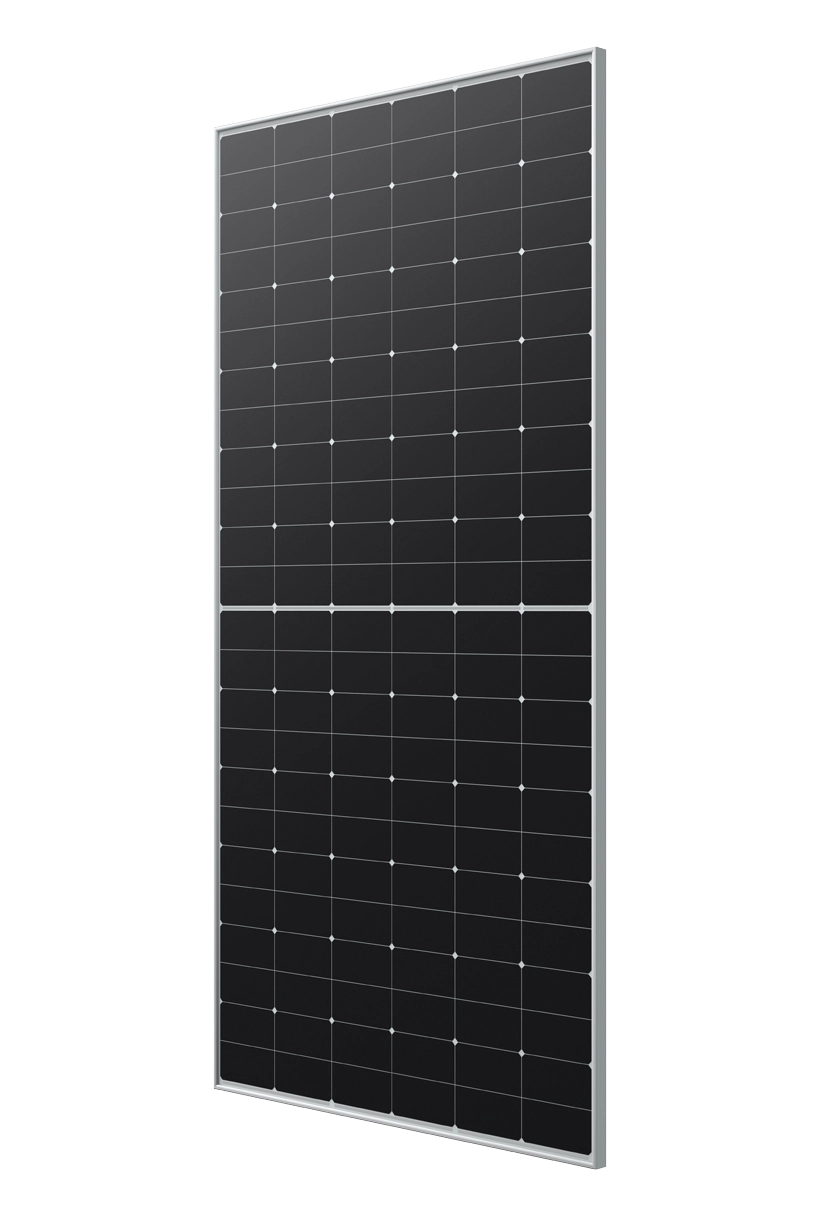
LONGi Hi-MO X6 450W
£85450
23
1722 x 1134 x 30
21.3
Affiliate link — we may earn a small commission at no extra cost to you

Fox ESS H3 PRO 5kW Hybrid Inverter
£1,0505
10
2
48V
Affiliate link — we may earn a small commission at no extra cost to you
Practical Steps
- Check your current EPC — free at gov.uk/find-energy-certificate
- Estimate the improvement — ask your solar installer or an energy assessor
- Install solar — using an MCS-certified installer
- Book a new EPC assessment — within a month of installation; find an accredited assessor at EPC Certificates (affiliate link)
- Use the new rating — for green mortgage applications, property marketing, or MEES compliance
The EPC improvement is a significant secondary benefit of solar panels. It's not the primary reason to install them — electricity savings and export income are — but it amplifies the financial case through mortgage benefits and property value increases.
For more on how EPC ratings affect your mortgage options, property value, and what lenders actually look for, see Unmortgageable — our sister site covering the property and mortgage side of home energy improvements.
Share this article

Sell your property fast — solar panels can increase your home's value and make it more attractive to buyers
Affiliate link — we may earn a small commission at no extra cost to you
Stay informed
Get free solar updates direct to your inbox
Related reading
Green Mortgages: Does Solar Help Your Mortgage?
How solar panels can unlock green mortgage deals in the UK. Which lenders offer them, how much you could save, and what EPC rating you need to qualify.
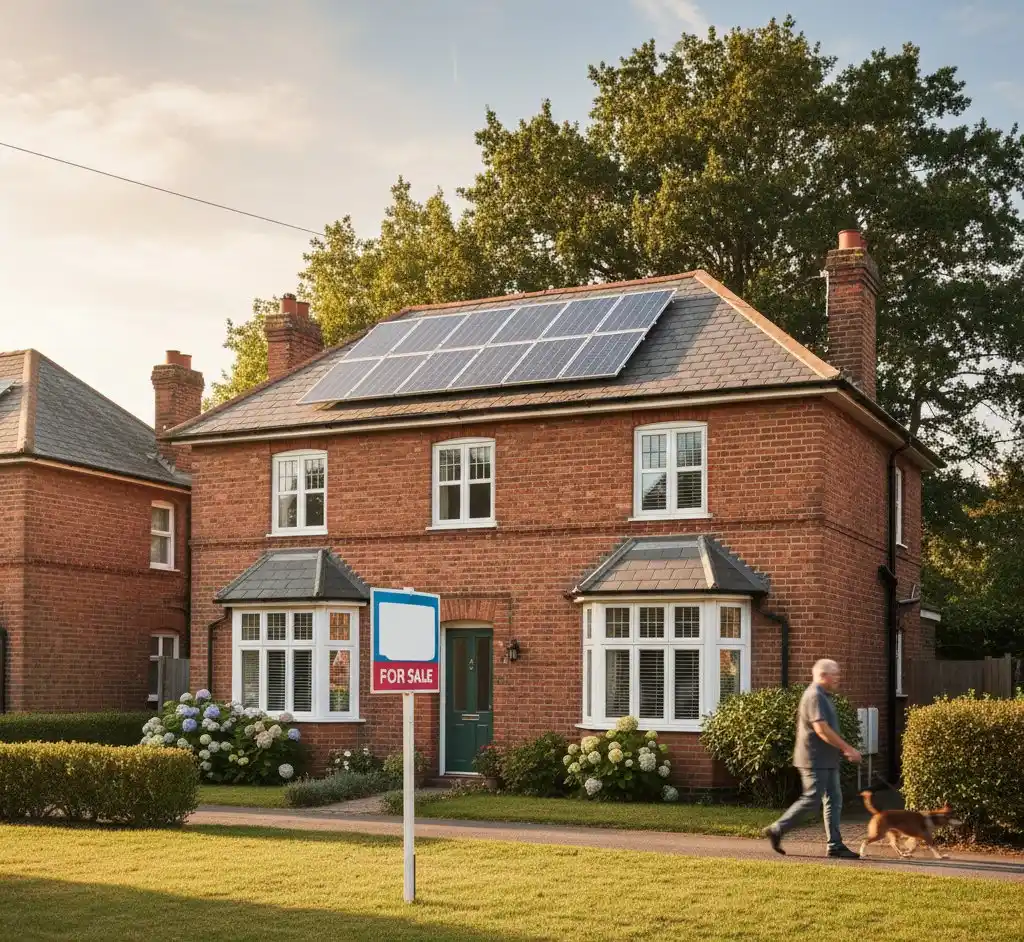
Do Solar Panels Increase Property Value?
Do solar panels add value to your home in the UK? What the research says, how much they add, and when they might actually reduce value.


Switch to Octopus Energy
Get 50 credit when you switch. We get 50 too — win-win.

Prefer 100% renewable, community-owned?
Your Co-op Energy runs on 100% renewable electricity — profits reinvested in community energy projects.
What does this mean for YOUR home?
Design your perfect solar setup in under 3 minutes. Free, no sign-up required.
Build Your Solar System