This page contains affiliate links. If you purchase through them we may earn a small commission at no extra cost to you. Learn more
Do Solar Panels Increase Property Value?
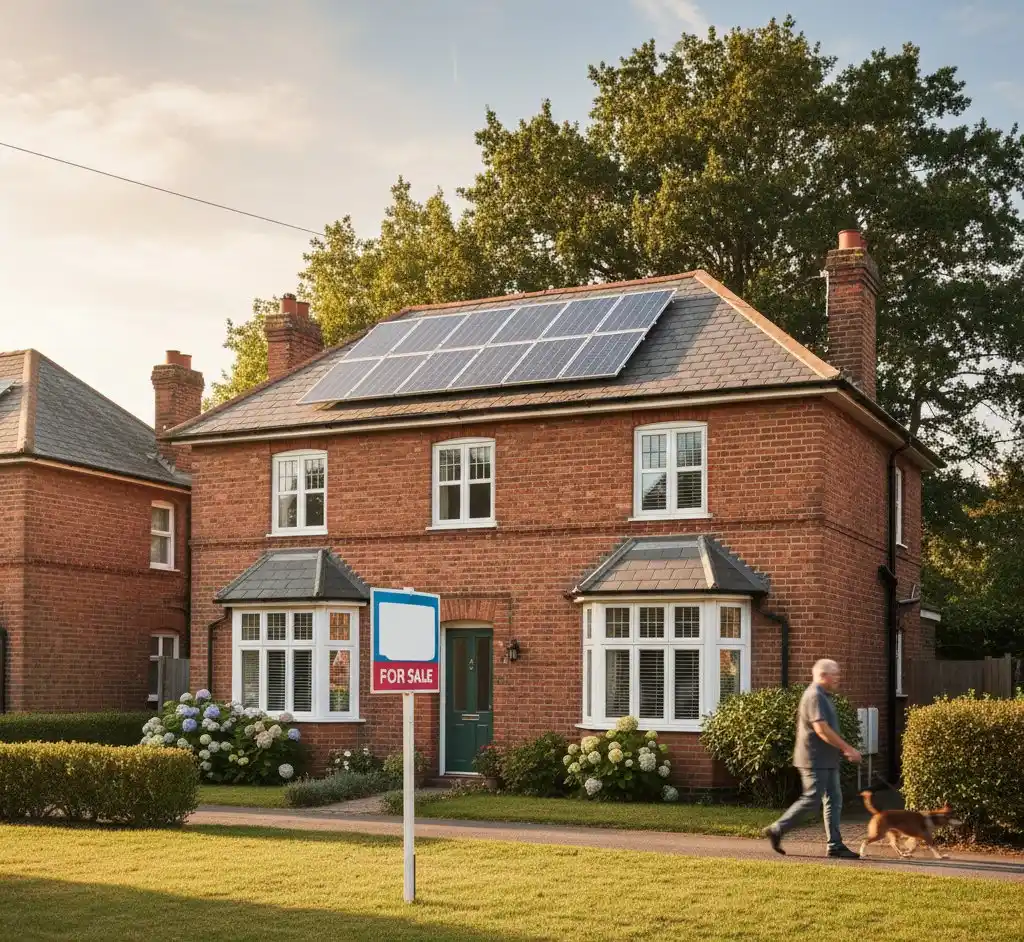
The short answer: yes, in most cases solar panels increase property value. But the amount varies significantly, and in some situations they can cause complications. Here's what the evidence actually shows.
What the Research Says
Several studies have examined the relationship between solar panels and property values in the UK:
Swansea University (July 2024): The most rigorous recent UK study, using an econometric analysis of UK house price transactions. Found a 6.1–7.1% uplift on sale price — approximately £14,000–16,000 in absolute terms. The conservative lower bound from the study is 3.5%. Regional variation was noted: higher uplift in the Midlands, lower in the South West.
Solar Energy UK (October 2021): Based on 5 million property transactions — the largest dataset studied — but an older study. Found 0.9–2% uplift. This likely underestimates the current premium given the energy price crisis of 2022–2026 and increased buyer awareness of running costs.
Rightmove Energy Report (2023): Properties marketed as having solar panels attracted 5% more interest from buyers compared to equivalent listings without.
Consumer sentiment (Eco Experts, 2023): 69% of people say they are likely to buy or rent a property with solar installed.
The defensible editorial range is 4–8% uplift, sitting between the two studies' central estimates. The Swansea University 2024 study is the most rigorous and should be used as the primary reference. Do not cite "up to 14%" (BOXT study) without noting this is an outlier from an unrepresentative methodology.
For a typical UK property worth £300,000, a 4–8% uplift means £12,000–£24,000 in added value — significantly more than the cost of a typical solar installation.
Solar and property value
UK research suggests solar panels add value to your property — typically recovering a significant portion of the installation cost even before energy savings.
£300k
4 kW
£6,600
at ~£1,650/kW
Estimated value added to property
Value added (low)
£4,000
+1.3%
Value added (high)
£8,000
+2.7%
Property ROI (low)
-39%
Property ROI (high)
+21%
Estimates based on UK property market research suggesting £1,000-£2,000 per kW of installed solar capacity. This is the property value uplift alone — energy savings from day one are additional. EPC rating improvements from solar can further boost value, especially for lower-rated homes.
Why Solar Adds Value
There are three main mechanisms:
1. Lower Running Costs
A home with solar panels has measurably lower electricity costs. For buyers, this is equivalent to a permanent salary increase — the house costs less to run every month. In a market where energy costs are a significant household expense, this matters to buyers.
2. EPC Rating Improvement
This is the most concrete, documented driver. Solar typically improves an EPC by 1–2 bands. With EPC ratings becoming increasingly important for mortgages (green mortgage products), buyers' searches, and future regulations, a higher EPC directly supports a higher valuation.
3. Environmental Appeal
A growing segment of buyers actively seek energy-efficient homes. For these buyers, solar panels are a positive feature — not just financially but as part of a lifestyle choice.
When Solar Might Not Add Value
Not every installation is a selling point:
Poor-Quality or Ugly Installations
Panels that look visually jarring — misaligned, mismatched, or installed on a prominent front-facing roof — can put buyers off. Aesthetics matter in property sales. All-black panels on a matching dark roof are broadly accepted; silver-framed panels at odd angles on a visible elevation are not.
Leased or Rented Panels
If your panels are under a lease agreement or rent-a-roof scheme, this can actively reduce your property's value.
Leased Panels Can Be a Deal-Breaker
When you sell a home with leased solar panels, the buyer must agree to take over the lease — typically a 20–25 year commitment. Many buyers (and their solicitors) are wary of this. Some mortgage lenders won't lend on properties with solar panel leases. The result: a smaller pool of potential buyers, longer time to sell, and potentially a lower price. If you're considering solar, owning the panels outright is strongly preferable. Our sister site Unmortgageable covers the mortgage implications of leased panels in full detail.
Very Old Systems
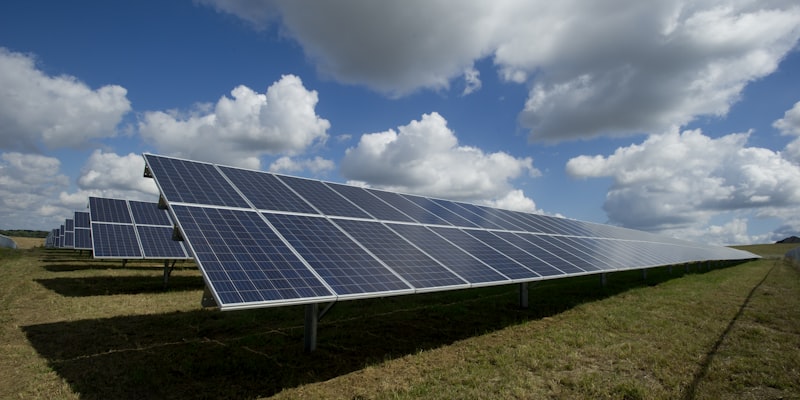
A system that's 15+ years old with an ageing inverter and faded panels may be seen as a maintenance liability rather than an asset. Buyers may worry about replacement costs. If you're selling a home with an older system, having recent maintenance records and a functioning generation meter helps.
Planning Complications
In conservation areas or on listed buildings, existing solar panels with questionable planning permission can create legal headaches during conveyancing.
How to Maximise the Value Solar Adds
If you're installing solar with a future sale in mind:
- Own the panels outright — no leases, no PPA agreements
- Choose all-black or visually clean panels — aesthetics matter to buyers
- Keep all documentation — MCS certificate, warranties, generation data, maintenance records
- Get an updated EPC after installation — this is the most concrete proof of improvement; book an accredited assessor at EPC Certificates (affiliate link)
- Maintain the system — clean panels, working inverter, and tidy wiring show care
- Ensure proper building regs sign-off — Part P electrical certification and any necessary planning permissions
The EPC Is Your Proof
When selling, the EPC is the document that formally captures the benefit of solar. Make sure you get a new EPC after installation — your old one won't show the improvement. The cost is typically £60–£120 and it's valid for 10 years. Estate agents can use the high rating in marketing. You can book an accredited assessor at EPC Certificates (affiliate link — we may earn a small commission at no extra cost to you).

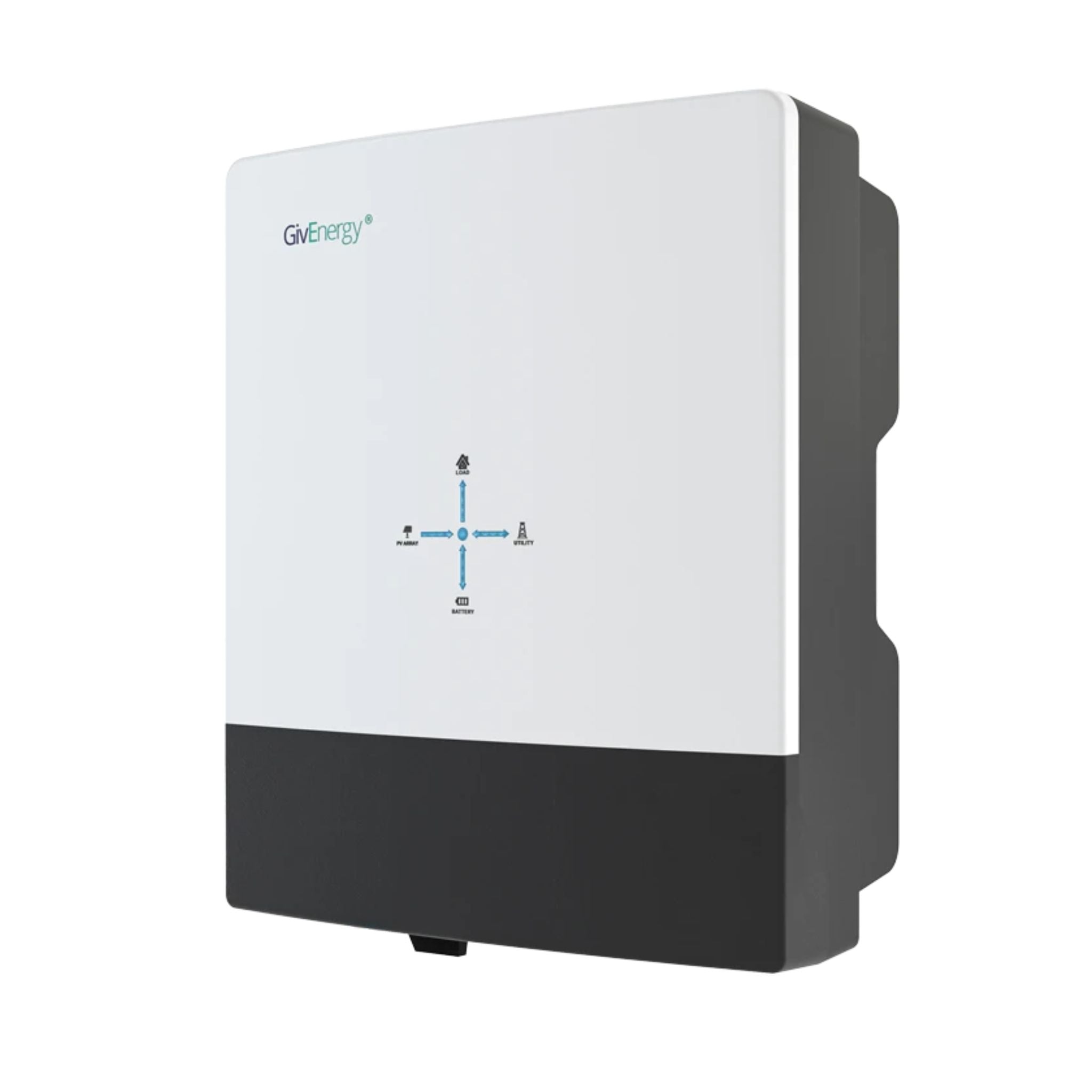
GivEnergy All-in-One 5kW Hybrid Inverter
£1,2005
7.5
2
48V
Affiliate link — we may earn a small commission at no extra cost to you
What Estate Agents Say
Feedback from UK estate agents is mixed but trending positive:
- Solar panels are increasingly mentioned as a feature in property listings
- Buyers under 45 are significantly more likely to see solar as a positive
- In areas with higher-than-average energy costs, solar is a stronger selling point
- The visual impact still matters — discreet installations sell better than prominent ones
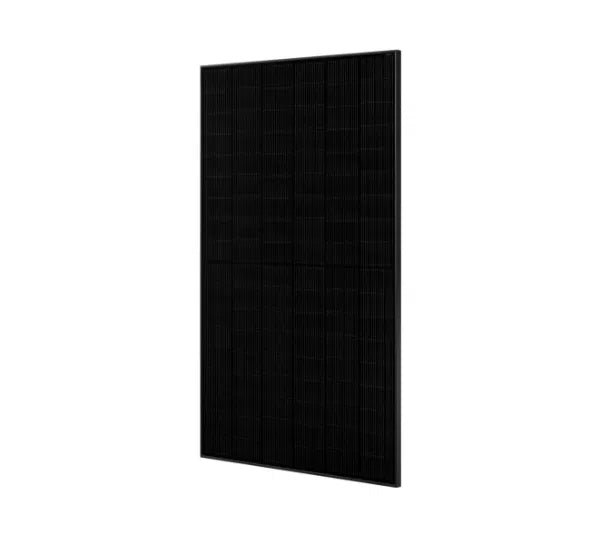
JA Solar JAM54D41 450W N-type TOPCon
£82450
22.8
1722 x 1134 x 30
21.5
Affiliate link — we may earn a small commission at no extra cost to you
The Numbers in Practice
For a typical UK property worth £300,000 (4–8% uplift range from Swansea University 2024):
These estimates are based on the Swansea University (2024) findings and account for regional variation and installation quality. They are statistical averages — individual outcomes depend on your local market and buyer pool.
These are estimates based on available research and agent feedback. The actual impact depends on your local market, the buyer pool, and broader market conditions.
The Long-Term Trend
Energy efficiency is becoming non-negotiable in UK property. Upcoming regulations, mortgage lender requirements, and buyer expectations all point in the same direction: efficient homes will command a premium, and inefficient ones will face penalties.
Solar panels are one of the most visible and effective ways to future-proof a property's value. Even if you plan to stay for decades, the value protection is worth considering.
For more on how solar improves your EPC specifically, see our EPC improvement guide. And for the full financial picture of a solar investment, our payback calculator walks through the numbers.
Does Solar Affect My Council Tax Band?
This question comes up regularly, and the answer is reassuring: no, installing solar panels does not change your council tax band.
How Council Tax Bands Are Set
Council tax bands in England and Wales are based on the estimated value of your property on 1 April 1991 — a fixed historical valuation date. In Scotland, bands are based on valuations as at 1 April 2003.
The Valuation Office Agency (VOA) in England and Wales, and the Scottish Assessors in Scotland, set these bands at a point in time. Improvements you make to your home after that valuation date — including solar panels, extensions, new kitchens, or any other upgrade — do not automatically trigger a rebanding.
What Can Trigger a Reband
A council tax band can only change in specific circumstances:
- On sale — when a property is sold, the VOA can assess its current value relative to 1991 prices and reclassify it. This is rare and typically only affects properties that have been physically altered to change their character.
- Structural alterations — significant changes that materially alter the property's character, such as converting a house into flats or vice versa.
- A successful appeal — if you (or a neighbour) successfully challenge an existing band, the VOA may reassess.
Solar panels — whether retrofitted or installed during a new build — do not constitute the kind of structural alteration that triggers a reassessment. They are a fixture on the roof, not a change to the property's floor area, layout, or fundamental character.
The Short Answer
Installing solar panels in England, Wales, or Scotland will not cause your council tax band to increase. The Valuation Office Agency has confirmed this position and it is consistent with how the banding system works. Improvements that add value to a property (as solar often does) do not flow through to council tax until a qualifying event — usually a sale — occurs, and even then, solar panels alone are unlikely to push a property into a higher band.
No Council Tax Risk
You do not need to notify the Valuation Office Agency when you install solar panels. There is no requirement to declare home improvements for council tax purposes, and doing so is not standard practice. The band assessment is triggered by specific events, not by installation of new equipment.
Share this article
Order your Energy Performance Certificate online — see how solar improves your home's energy rating. Required before selling or renting. All assessors are fully accredited.
Affiliate link — we may earn a small commission at no extra cost to you
Stay informed
Get free solar updates direct to your inbox
Related reading

EPC Rating Improvement with Solar Panels
How solar panels improve your EPC rating in the UK, how many SAP points they add, and why your EPC band matters for mortgages and property value.
How Much Do Solar Panels Cost in the UK in 2026?
UK solar panel costs 2026: realistic prices by system size, what is included, and what to push back on in your quote.
Green Mortgages: Does Solar Help Your Mortgage?
How solar panels can unlock green mortgage deals in the UK. Which lenders offer them, how much you could save, and what EPC rating you need to qualify.


Switch to Octopus Energy
Get 50 credit when you switch. We get 50 too — win-win.
What does this mean for YOUR home?
Design your perfect solar setup in under 3 minutes. Free, no sign-up required.
Build Your Solar System